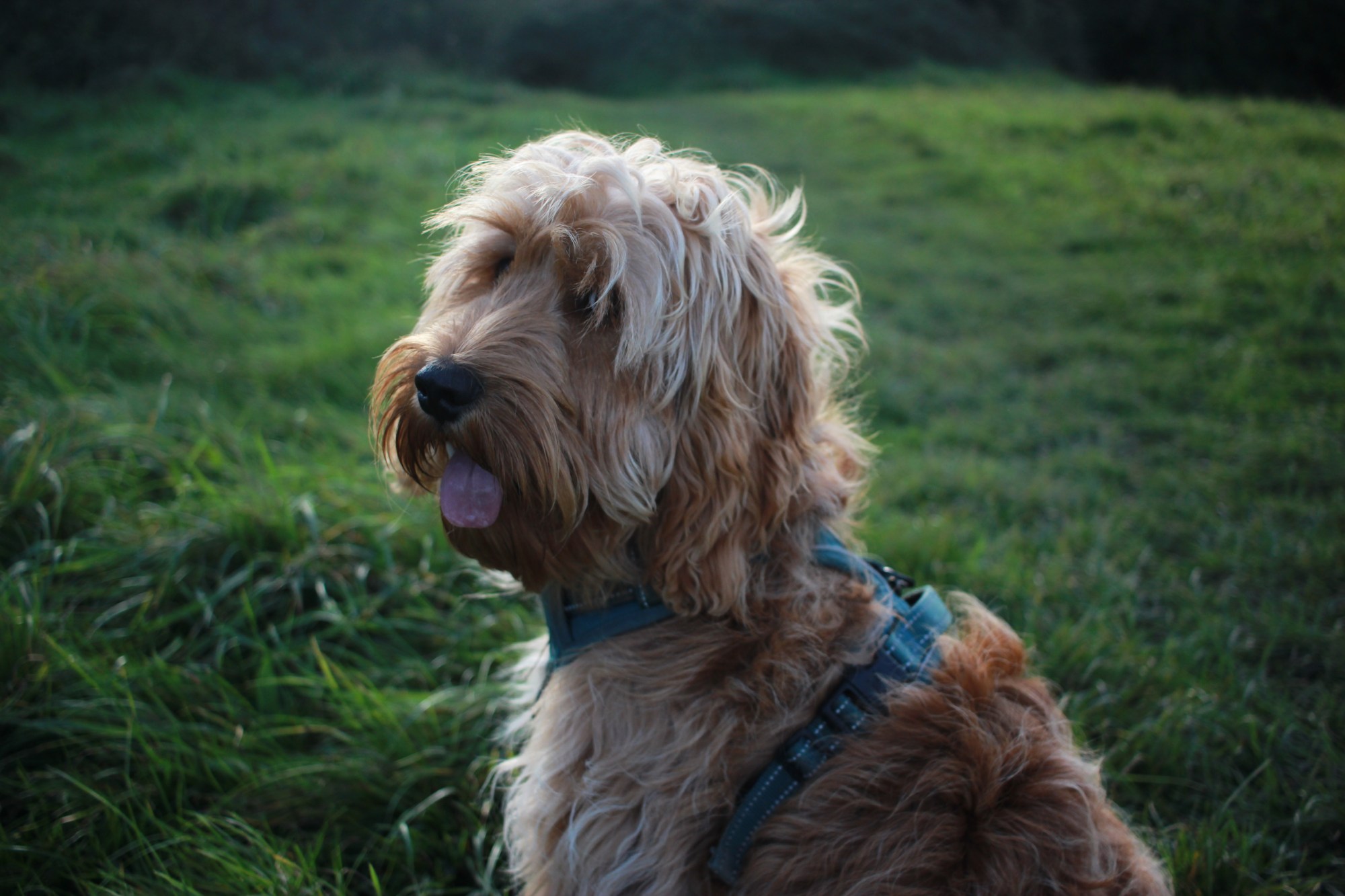
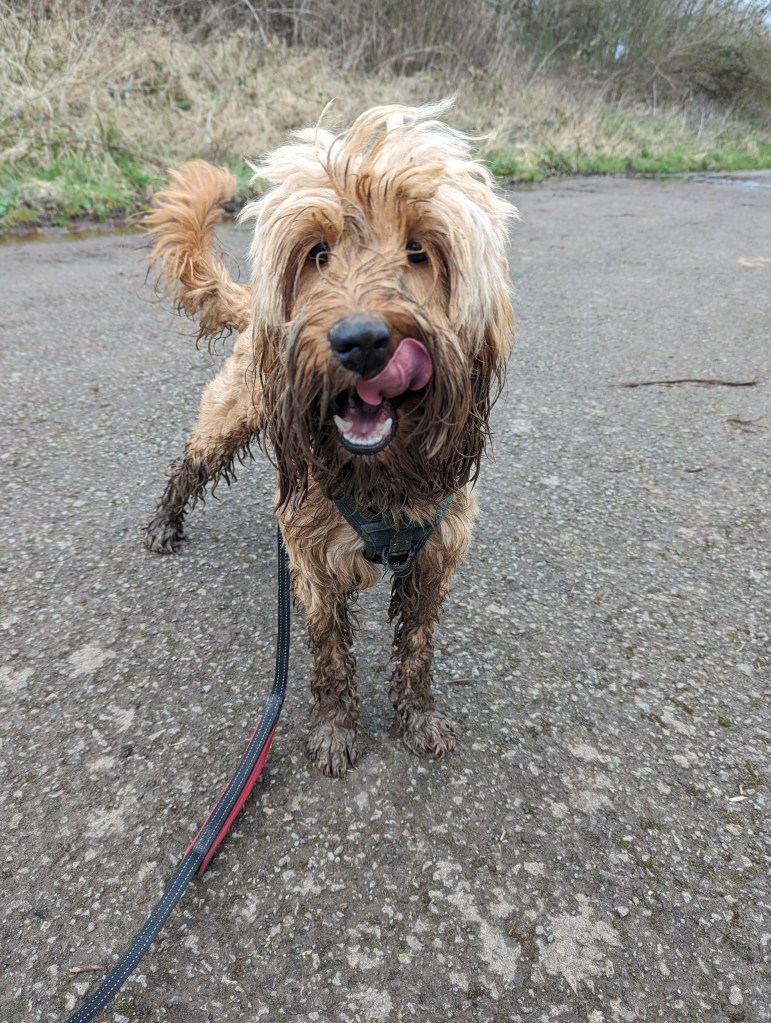
Now I’m no expert when it comes to creating a training plan for long-distance walks. I wanted to share the plan that Finch & I have started to follow, based on the research I’ve done. We are currently in weeks 6-7, working up to 2 hour walks at this point. I would say that the biggest challenge so far for me has been consistency on leash manners. When I’m in a rush, I sometimes let Finch get away with a bit of pulling – this has been something I’ve really been focusing on since we started this training plan, as I know 2 hours into a walk I would be getting a bit sick of the tug of war.
Training a dog to walk long distances requires patience, consistency, and a gradual approach to building endurance. Do not begin training a puppy until they are fully grown. For small to medium dogs this means waiting until they are one, for larger breeds you should wait until they are at least 18 months. Speak to your vet if you’re unsure if your dog has reached their full grown size.
Here’s a sample training plan to help prepare your dog for extended walks. Ensure you schedule in one to two rest days each week. The longer walks throughout the week should mimic your intended long-distance walks, so that the ratio of on and off leash is the same. If you were to train your dog with 3 hour walks on leash and then take them on a hike where they were off leash the majority of the time, this will be a very different experience for them.
Weeks 1-2: Getting Started
- Start with shorter walks around your neighbourhood, aiming for 10-15 minutes at a comfortable pace.
- Focus on leash manners and basic commands such as “heel,” “sit,” and “stay.”
- Gradually increase the duration of walks by 5-10 minutes every few days, allowing your dog to adjust gradually.
Weeks 3-4: Increasing Duration
- Aim for 20-30 minute walks, incorporating a mix of different terrains such as sidewalks, parks, and trails.
- Introduce intervals of brisk walking and short breaks for rest and water.
- Practice loose leash walking and reinforce positive behaviours with treats and praise.
Weeks 5-6: Building Stamina
- Extend walks to 45-60 minutes, focusing on maintaining a steady pace.
- Begin to vary the intensity of walks by incorporating uphill climbs or gentle inclines.
- Continue to reinforce obedience commands and encourage good behavior on walks.
Weeks 7-8: Long Distance Training
- Aim for walks lasting 1-2 hours, gradually increasing the distance covered.
- Experiment with different walking routes to keep your dog engaged and stimulated.
- Monitor your dog’s energy levels and adjust the pace or duration of walks as needed.
- Introduce a backpack for your dog to carry lightweight items such as water and snacks, gradually increasing the weight over time.
Weeks 9-10: Final Preparations
- Increase the duration of walks to 2-3 hours, simulating the length of your target hikes or walks.
- Practice walking on varied terrain and in different weather conditions to prepare for outdoor adventures.
- Focus on reinforcing good walking habits and maintaining your dog’s stamina and endurance.
- Ensure your dog is comfortable wearing any gear or equipment they’ll need for longer walks, such as a harness or backpack.
Ongoing Maintenance:
- Once your dog has built up the endurance for long-distance walks, continue to incorporate regular walks into their routine to maintain their fitness level.
- Monitor your dog’s health and well-being during walks, providing plenty of water, rest breaks, and opportunities for sniffing and exploring.
- Adjust your training plan as needed based on your dog’s age, breed, fitness level, and any health considerations.
Remember to always consult with your veterinarian before starting any new exercise regimen with your dog, especially if they have any underlying health conditions or concerns. And above all, have fun and enjoy the journey of exploring the great outdoors with your furry companion!
Have any of your successfully trained your dog to join you on multi-day excursions? I’d love to hear about it in the comments!
 Where tails and trails meet: journey through the UK's scenic landscapes with Finch