
Incorporating rest days into the training plan for your dog is essential for their overall well-being and to prevent overexertion or injury. Rest days allow your dog’s muscles to recover and rebuild, reducing the risk of strain or fatigue. Here’s how you can integrate rest days into the training plan:
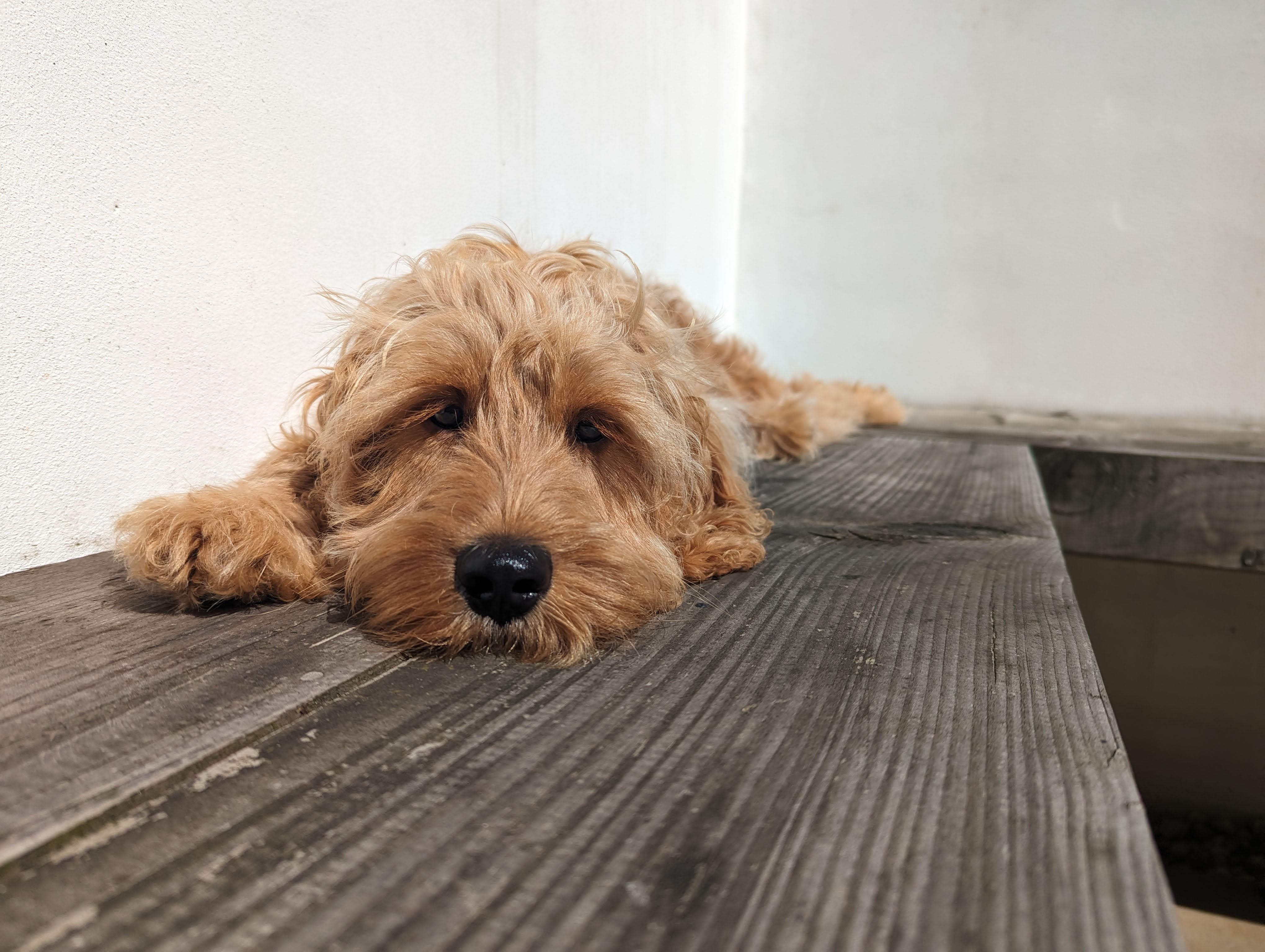
- Frequency of Rest Days:
- Aim to schedule at least one or two rest days per week, especially during periods of intense training or when increasing the duration of walks significantly.
- Signs of Fatigue:
- Monitor your dog for signs of fatigue or discomfort during walks, such as lagging behind, excessive panting, or reluctance to continue walking. If you notice these signs, it’s essential to give your dog additional rest.
- Active Rest:
- On rest days, you can still engage your dog in low-impact activities such as gentle play, short walks around the neighborhood, or mental stimulation exercises like puzzle toys or training sessions.
- I have seen many blog posts and Instagram reels that claim these puzzle toys and training sessions will tire your pup as much as a walk. We have many puzzle feeders that Finch absolutely loves, but I wouldn’t say they tire him out per se. That said, the mental stimulation keeps him entertained, and he is less likely to cause a fuss after a good puzzle session.
- I have read that on-leash walks count as rest, as it takes a long time for your dog to get fatigued when on a lead. With this in mind, we continue our routine of 2 – 3 walks per day, even on rest days, however the duration is reduced to just going around the block.
- Adapt to Your Dog’s Needs:
- Every dog is different, so adjust the frequency and duration of rest days based on your dog’s age, fitness level, breed, and individual health considerations. Some dogs may require more frequent rest days, while others may handle more consistent training.
- Listen to Your Dog:
- Pay attention to your dog’s behavior and energy levels. If they seem particularly tired or sore after a strenuous walk, consider giving them an extra rest day or reducing the intensity of future walks.
- Regular Vet Check-ups:
- Schedule regular check-ups with your veterinarian to monitor your dog’s health and fitness progress. Your vet can provide valuable insights and recommendations for adjusting the training plan based on your dog’s specific needs.
By incorporating rest days into your dog’s training plan, you’ll help ensure that they stay healthy, happy, and ready to tackle long-distance walks with you. Remember that rest is just as important as exercise when it comes to your dog’s overall fitness and well-being.
 Where tails and trails meet: journey through the UK's scenic landscapes with Finch